
$199 New Patient Special
Cleaning, X-rays & Exams
Laser Whitening offer
$500 with maintenance trays

Complimentary Invisalign Consultation
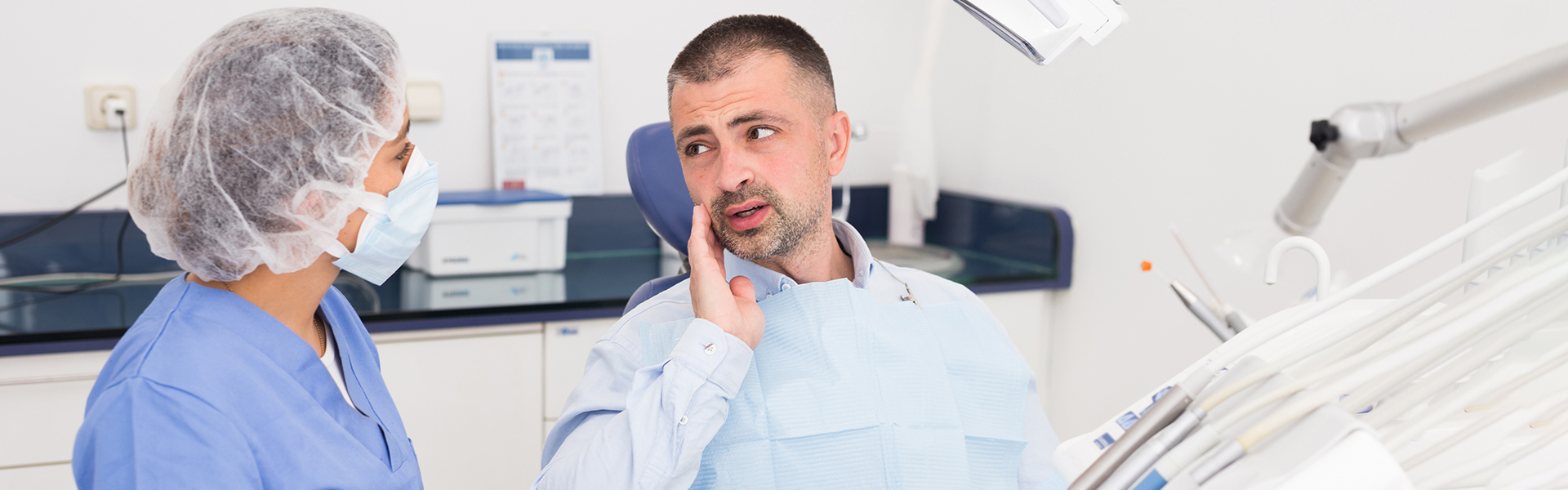
When to See an Emergency Dentist Near Encinitas, CA: Signs You Shouldn’t Ignore
Tooth pain can wait until it can’t. Some problems are urgent and need same-day care to save a tooth or stop an infection. This guide explains how to spot a real emergency, what to do before you reach the office, and the treatments you can expect once you arrive. If you are unsure, call a dentist in Encinitas CA, and describe your symptoms. A short call can prevent a bigger issue.
The Warning Signs of a True Dental Emergency
Seek urgent help if you notice any of the following:
- Severe, throbbing tooth pain that disrupts sleep or work
- Facial swelling, warmth, or a bad taste that points to infection
- A cracked or broken tooth that feels sharp or exposes the inner layer of the tooth needs prompt attention to prevent infection or nerve pain
- A tooth knocked out or loosened from trauma
- Uncontrolled bleeding from the mouth or gums
- A broken crown or filling that exposes the inner tooth
- Signs of spreading infection: fever, fatigue, or swollen lymph nodes
When these signs appear, don’t wait. Teeth and gums heal best with prompt treatment.
Symptoms You Shouldn’t Ignore
Some symptoms seem small at first, but can turn fast:
- Lingering sensitivity to hot or cold. Pain that lingers after the trigger may mean nerve inflammation.
- Gum pimples or bumps. These can drain an abscess. The infection remains under the surface.
- Bad breath with a bad taste. This may signal decay, a cracked tooth, or trapped food under a crown.
- Tightness when opening your mouth. Swelling from infection can limit jaw motion.
- Pressure pain when biting. A cracked cusp or deep cavity might be the cause.
If you feel unsure, call a dentist near you for guidance. A short exam or X-ray can prevent root damage or bone loss.
What To Do Before You Reach an Emergency Dentist
Simple steps can protect your tooth and ease pain:
- For a knocked-out tooth: Pick it up by the crown, not the root. Rinse with water. Try to place it back in the socket. If that’s not possible, keep it in milk or a tooth saver kit.
- For bleeding: Apply gentle, steady pressure with a clean piece of gauze for about ten minutes to help stop the bleeding.
- For pain or swelling: Use a cold compress on the cheek in 10-minute intervals.
- For a broken crown or filling: Cover sharp edges with dental wax or sugar-free gum.
- For rinsing: Use warm salt water to keep the area clean.
- Medicines: Use over-the-counter pain relief as directed on the label. Avoid placing aspirin on the gum.
Avoid heat on the face, as it can feed swelling. Do not delay care if you have a fever, spreading swelling, or trouble swallowing.
How an Emergency Dentist Near Encinitas Can Help
An emergency dentist near you will start with a focused exam and X-rays to find the source of pain. The first goal is to reduce infection and protect the nerve. You will get clear options with risks, benefits, and costs. If swelling is present, the dentist may start antibiotics and drain the abscess to remove pressure. Then the team will stabilize the tooth so you can rest and plan for follow-up care.
Common Emergency Treatments and How They Work
- Same-day fillings. For small to moderate decay or fractures. Composite resin bonds to enamel and seals the area from bacteria.
- Temporary crowns or onlays. Used when a large piece breaks off. They protect the tooth while the final restoration is made.
- Root canal therapy. When the inner pulp becomes infected or irritated, the dentist carefully removes the bacteria, shapes the canals, and seals them to protect the tooth. This stops pain and saves the tooth.
- Incision and drainage (I&D). A small opening releases trapped pus from an abscess. This eases pain and helps antibiotics work.
- Reimplantation of a knocked-out tooth. Time matters. Best results occur within 60 minutes. The tooth is gently cleaned, placed back, and splinted.
- Tooth extraction. If a tooth cannot be saved, a careful removal protects nearby bone and gum. Replacement options include implants, bridges, or partials.
- Bonding for minor chips. Cosmetic resin smooths sharp edges and restores shape.
- Occlusal adjustment or bite guard. Helpful when clenching or a high filling causes bite pain.
Each plan aims to control infection, preserve tooth structure, and restore function with the least invasive step that will work.
Get Fast Relief Today in Encinitas, CA
Call as soon as pain starts, not days later. Have your medical list, allergies, and dental history ready. If you have dental anxiety, tell the team so they can plan comfort options. Flexible payment and staged treatment can make urgent care easier to start. Same-day visits are often available, and many offices keep slots for urgent cases.
Final Thoughts
Dental emergencies rarely improve on their own. Quick care protects your health and can save a tooth. If you have severe pain, swelling, or trauma, reach out now. Compassionate, prompt care is the standard you should expect. For local help in North County, you can schedule with Steve Horne, DDS, for clear answers and fast relief.
FAQs
Most offices reserve time each day for urgent visits. Same-day or next-day care is common. Call early in the morning for the best chance at a same-day slot.
Some do, but a call ahead helps the team prepare X-rays and a room. This shortens your wait and speeds pain relief.
Severe pain, swelling, a knocked-out or loose tooth, uncontrolled bleeding, a broken tooth with nerve exposure, or signs of infection. If you’re unsure, call for triage.
Fever, facial swelling, trouble swallowing, foul taste, or pain that throbs with your heartbeat. Seek care the same day, and go to urgent care or the ER if you have trouble breathing.
Many practices offer payment plans or third-party financing. Ask about options during your call so you can start care without delay.